
Here’s a hard truth most people don’t want to hear: brushing once a day and skipping floss is not an oral hygiene routine — it’s a slow invitation to cavities, gum disease, and expensive dental work.
The good news? A real oral hygiene routine takes less than 10 minutes a day, and it can completely change the long-term health of your teeth and gums.
Whether you are recovering from a recent dental procedure, managing gum sensitivity, or just trying to build better daily habits, this guide was created specifically for patients at Alta Loma Dental Care. We will walk you through every step of an effective oral hygiene routine — morning to night — so you can recover faster, protect your smile longer, and avoid costly problems down the road.
Did You Know That 1 in 2 Adults Will Develop Gum Disease in Their Lifetime?
The scary part? Most of it is completely preventable. Whether you just had a dental procedure done at Alta Loma Dental Care or you are simply trying to get your mouth back on track, your oral hygiene routine is the single most powerful tool you have. Done right, it helps you heal faster, prevents costly problems, and protects your overall health — not just your teeth.
This guide will walk you through everything you need to know. Step by step. Simple language. Real results.
What Is an Oral Hygiene Routine?
An oral hygiene routine is a set of daily habits that keep your mouth clean, your gums healthy, and your teeth strong. It goes beyond just brushing. A complete routine includes brushing, flossing, rinsing, cleaning your tongue, and making smart food and lifestyle choices.
Think of it like a daily health checklist for your mouth. When you follow it consistently, your body has a much easier time healing after dental treatment — and staying healthy long-term.
Download the Oral Hygiene Checklist
Why Your Oral Hygiene Routine Matters More After Dental Treatment
If you recently had a dental procedure — such as a filling, extraction, deep cleaning, crown placement, or gum treatment — your mouth is in recovery mode. The tissues are healing. Bacteria are still present. And what you do at home makes a huge difference in how fast and how well you recover.
Poor oral hygiene after a dental procedure can lead to:
- Infection at the treatment site
- Delayed healing of gum tissue
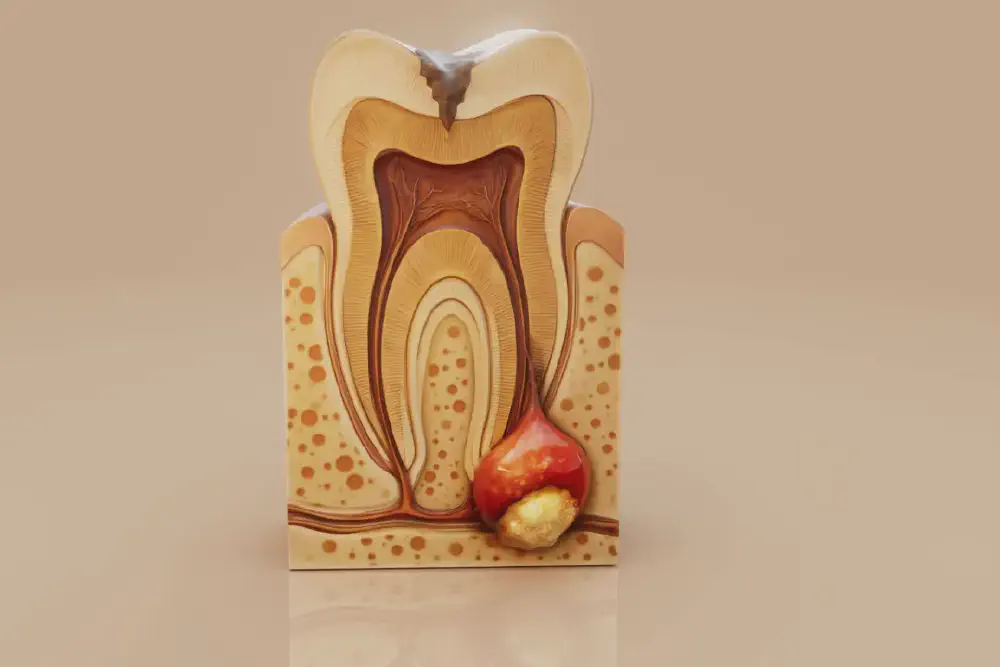
- Dry socket after tooth extractions
- Plaque buildup that undoes the work your dentist just completed
- Recurring gum disease or cavities
A consistent oral hygiene routine is your best defense. Let’s build one together.
Step-by-Step: The Complete Daily Oral Hygiene Routine
Step 1: Brush Twice a Day — and Do It Right
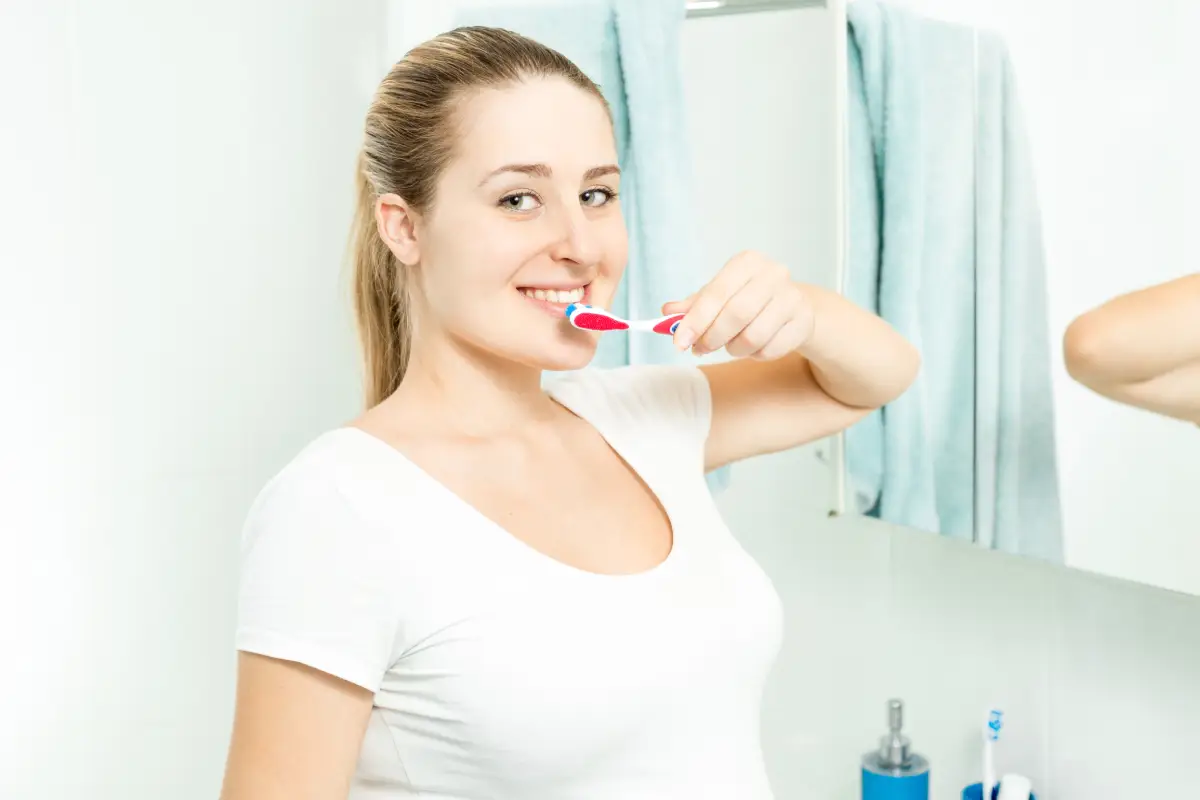
Brushing is the foundation of any good oral hygiene routine. But it only works if you do it correctly.
How to brush properly:
- Use a soft-bristled toothbrush. Medium or hard bristles can damage your gums and enamel — especially after dental work.
- Apply a pea-sized amount of fluoride toothpaste. Fluoride strengthens enamel and protects against tooth decay.
- Hold the brush at a 45-degree angle toward your gum line.
- Use gentle, circular motions — not back-and-forth scrubbing. Scrubbing can irritate sensitive gums and cause enamel wear.
- Brush for a full 2 minutes, covering all surfaces: front, back, and chewing sides.
- Brush in the morning and before bed every single day.
Post-Treatment Tip
If your gums are tender after a procedure, use an extra-soft bristle brush and be extra gentle near the treatment area. Never skip brushing — even gentle brushing removes plaque that can cause infection.
Should you use an electric or manual toothbrush?
Both work well when used properly. However, electric toothbrushes with pressure sensors can help you avoid brushing too hard — which is especially helpful after dental procedures. Talk to your dentist at Alta Loma Dental Care about which is right for you.
Replace your toothbrush every 3 to 4 months, or sooner if the bristles look frayed. Worn bristles cannot clean effectively.
Step 2: Floss Once a Day — No Excuses
Many people skip flossing. This is one of the biggest mistakes you can make for your oral hygiene routine.
Your toothbrush can only reach about 60% of your tooth surfaces. The other 40% — the spaces between your teeth — can only be cleaned with floss or an interdental tool. Plaque that builds up in these tight spaces leads to cavities between teeth and gum disease.
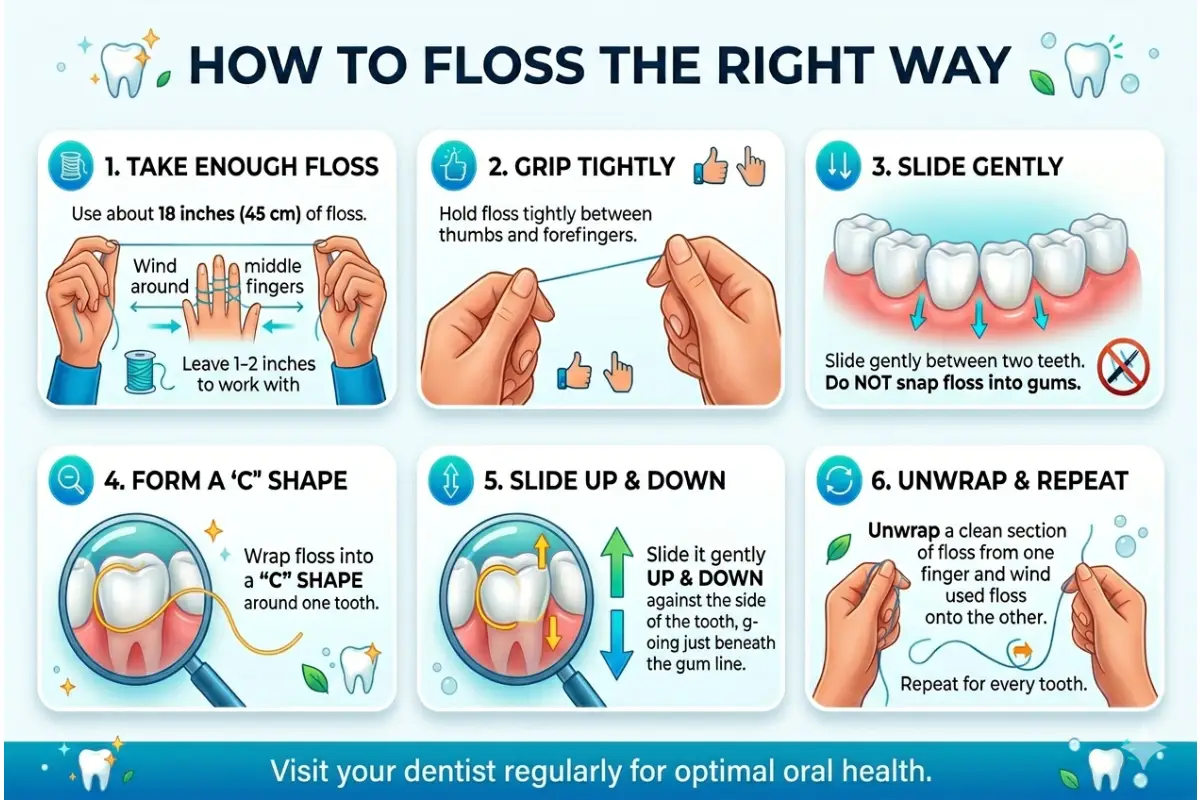
How to floss the right way:
- Use about 18 inches of floss. Wind most of it around your middle fingers, leaving 1–2 inches to work with.
- Hold the floss tightly between your thumbs and forefingers.
- Slide gently between two teeth — do not snap the floss into your gums.
- Wrap the floss into a “C” shape around one tooth.
- Slide it gently up and down against the side of the tooth, going just beneath the gum line.
- Unwrap a clean section and repeat for every tooth.
Flossing alternatives (great if you have limited hand dexterity):
- Interdental brushes (tiny brushes that fit between teeth)
- Floss picks (pre-threaded, easy to hold)
- Water flossers — great for flushing out debris, but use them along with regular floss, not instead of it
Post-Treatment Tip
If you had gum surgery or a deep cleaning, ask your dentist at Alta Loma Dental Care when it is safe to resume normal flossing. In some cases, you may need to avoid flossing near the treatment site for a few days. When you return to flossing, use a very light touch near healing tissue.
Step 3: Use an Antibacterial Mouthwash
Rinsing with mouthwash adds a layer of protection to your oral hygiene routine that brushing and flossing alone cannot provide. An antiseptic or antibacterial mouthwash reaches areas your brush misses and kills bacteria that cause bad breath, gum inflammation, and tooth decay.
Choosing the right mouthwash
- Look for products with the ADA Seal of Acceptance — this means the product has been tested for safety and effectiveness.
- If you are recovering from a dental procedure, your dentist may prescribe a chlorhexidine rinse. Use it exactly as directed.
- Avoid mouthwashes with high alcohol content if your mouth is sensitive or sore. Alcohol-free options are gentler.
How to use mouthwash
- Rinse with about 20 milliliters (4 teaspoons) for 30 seconds.
- Spit it out — do not swallow.
- Avoid eating or drinking for 30 minutes after rinsing to allow it to work.
Post-Treatment Tip
If you had a tooth extraction, do NOT rinse vigorously for the first 24 hours. Forceful rinsing can dislodge the blood clot and cause dry socket, which is very painful. After 24 hours, rinse gently with warm salt water (1/2 teaspoon of salt in 8 ounces of warm water) several times a day.
Step 4: Clean Your Tongue
Your tongue is covered in small bumps called papillae — and bacteria love to hide there. These bacteria are a major cause of bad breath (halitosis) and can spread to your teeth and gums.
How to clean your tongue
- Use a tongue scraper or the back of your toothbrush.
- Start at the back of your tongue and gently move forward.
- Rinse your mouth afterward.
- Do this once a day, usually when brushing at night.
Tongue cleaning is a simple addition to your oral hygiene routine that makes a noticeable difference in freshness and bacterial load.
Step 5: Watch What You Eat and Drink
Your diet has a direct impact on your oral health — and on how fast your mouth heals after treatment.
Foods and drinks that harm your oral hygiene routine
- Sugary snacks and drinks — sugar feeds the bacteria that cause cavities. This includes candy, soda, juice, and sports drinks.
- Acidic foods and drinks — citrus, vinegar, and carbonated drinks can erode enamel over time.
- Sticky foods — caramel, dried fruit, and chewy candy cling to teeth and are hard to remove.
- Alcohol — dries out the mouth, which reduces saliva (your mouth’s natural defense).
- Coffee and tea — stain teeth and can dry out the mouth when consumed in excess.
Foods that support your oral hygiene routine
- Water — especially fluoridated water. It washes away food particles and bacteria, and fluoride strengthens enamel.
- Crunchy vegetables and fruits — apples, carrots, and celery help scrub teeth naturally and stimulate saliva.
- Dairy products — cheese, yogurt, and milk are rich in calcium, which strengthens teeth.
- Leafy greens — high in calcium and folic acid, which supports gum health.
- Lean proteins — phosphorus in eggs, fish, and chicken helps protect and rebuild enamel.
Post-Treatment Tip
For the first few days after any dental procedure, stick to soft foods that do not require hard chewing: soups, mashed potatoes, yogurt, smoothies, scrambled eggs. Avoid hot, spicy, or crunchy foods near the treatment area until healing is well underway.
Step 6: Stay Hydrated and Avoid Dry Mouth
A dry mouth is more than just uncomfortable — it is a real threat to your oral hygiene routine. Saliva is your mouth’s natural cleaning and protection system. It neutralizes acids, washes away bacteria, and helps repair enamel. When your mouth is dry, bacteria multiply faster.
Tips to prevent dry mouth
- Drink plenty of water throughout the day.
- Chew sugar-free gum with xylitol — it stimulates saliva production.
- Breathe through your nose, not your mouth.
- Avoid alcohol and caffeine, which dry out the mouth.
- Tell your dentist if you are taking medications that cause dry mouth — there are rinses and treatments available to help.
Step 7: Visit Your Dentist Regularly
No matter how good your oral hygiene routine is at home, you still need professional dental care. Some plaque hardens into tartar (calculus) — a rock-hard buildup that only a dentist or hygienist can remove with special tools.
How often should you visit the dentist?
- Most people do well with a professional cleaning and exam every 6 months.
- If you are prone to cavities, gum disease, or other oral health conditions, your dentist may recommend visits every 3 to 4 months.
- After a dental procedure, follow your dentist’s specific follow-up schedule — these appointments are important to monitor healing and catch problems early.
At Alta Loma Dental Care, our team provides thorough cleanings and personalized care for every patient. If you have dental anxiety or feel nervous about your visit, we encourage you to read our patient guide on managing dental anxiety — we are here to make every appointment as comfortable as possible.
Special Oral Hygiene Routine Tips for After Common Dental Procedures
After a Tooth Extraction
- Do not rinse, spit, or use a straw for the first 24 hours.
- Keep the blood clot in place — it protects the healing socket.
- After 24 hours, rinse gently with warm salt water 4–5 times a day.
- Resume brushing carefully around the extraction site.
- Avoid smoking — it significantly delays healing and increases dry socket risk.
After a Dental Filling or Crown
- It is normal to feel some sensitivity for a few days after placement.
- Avoid very hot or cold foods until sensitivity passes.
- Continue your full oral hygiene routine — brush and floss around the restoration gently but thoroughly.
- Do not chew on the side of the new filling or crown until numbness from anesthesia has worn off.
After a Deep Cleaning (Scaling and Root Planing)
- Your gums may be sore and sensitive for several days.
- Rinse with warm salt water 2–3 times daily to reduce inflammation.
- Use a soft-bristled brush and a light touch near treated areas.
- Continue flossing — gently. Keeping the gum pockets clean is critical to recovery.
- Your dentist will likely schedule a follow-up visit to monitor healing. Keep this appointment.
After Gum Surgery
- Follow all specific post-operative instructions from your dentist exactly.
- You may be prescribed a special antibacterial rinse — use it as directed.
- Avoid brushing or flossing the surgical site until your dentist clears you to do so.
- Stick to soft foods and avoid the surgical area when chewing.
Common Oral Hygiene Mistakes to Avoid
Even with the best intentions, many patients make small errors that hurt their oral hygiene routine. Here are the most common ones:
| Mistake | Why It Matters | What to Do Instead |
|---|---|---|
| Brushing too hard | Damages enamel and irritates gums | Use light pressure and circular motions |
| Skipping flossing | Leaves 40% of tooth surfaces uncleaned | Floss once every day |
| Using an old toothbrush | Worn bristles don’t clean effectively | Replace every 3–4 months |
| Rinsing immediately after brushing | Washes away fluoride before it can work | Spit out toothpaste but don’t rinse right away |
| Forgetting the tongue | Tongue bacteria cause bad breath and spread to teeth | Clean your tongue daily |
| Skipping dental visits | Tartar builds up and problems go undetected | See your dentist every 6 months |
| Smoking or tobacco use | Major cause of gum disease and oral cancer | Quit — talk to your doctor about options |
How Your Oral Hygiene Routine Affects Your Overall Health
This might surprise you: the state of your mouth affects far more than your teeth. Research has found strong links between poor oral hygiene and serious health conditions throughout the body.
A well-maintained oral hygiene routine has been associated with:
- Reduced risk of heart disease and stroke — oral bacteria can enter the bloodstream and affect cardiovascular health
- Better blood sugar control in people with diabetes — gum disease makes it harder to manage blood sugar
- Healthier pregnancy outcomes — gum disease has been linked to premature birth and low birth weight
- Lower risk of respiratory illness — bacteria from the mouth can be inhaled into the lungs
- Reduced risk of oral cancer — good hygiene combined with regular dental exams helps with early detection
Taking care of your mouth is taking care of your whole body.
Download: Daily Oral Hygiene Routine Checklist
This blog post is intended for general patient education and does not replace personalized advice from your dental provider. For questions specific to your care, please contact Alta Loma Dental Care directly.