

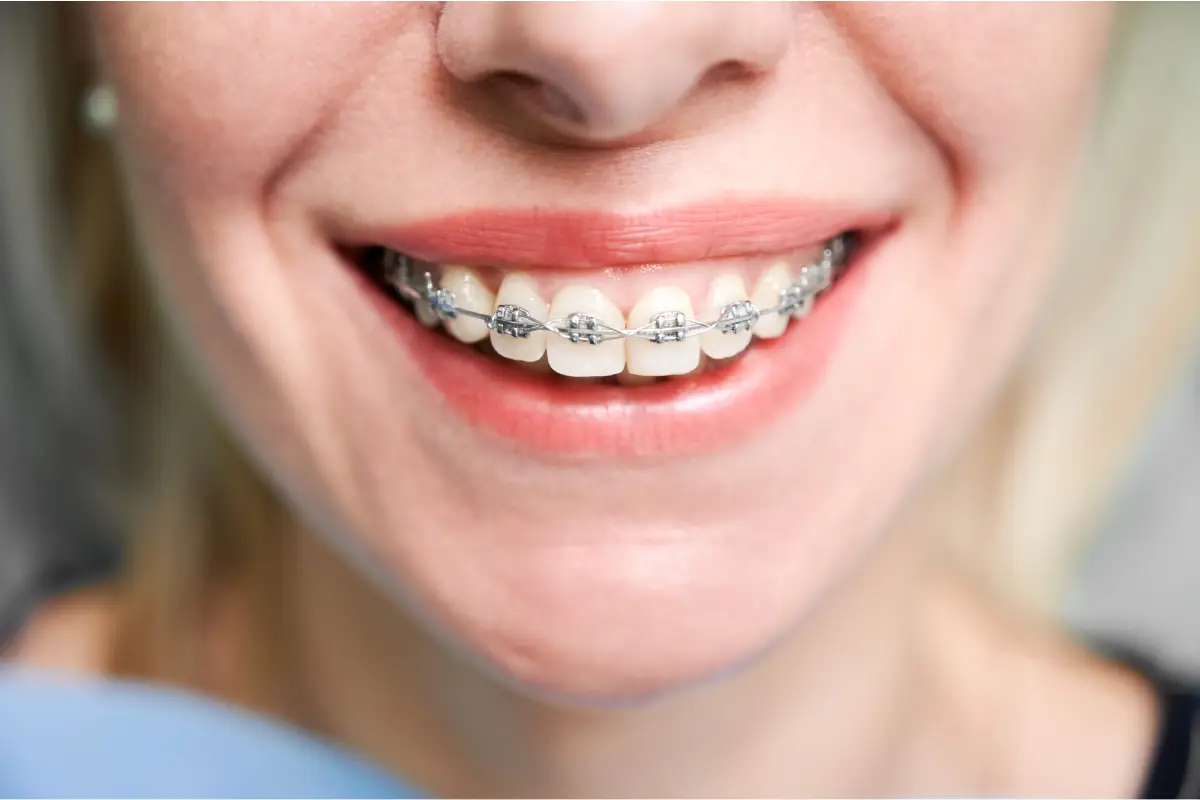
What If Your Smile Could Change Everything? Imagine waking up, looking in the mirror, and actually loving what you see.
No more hiding your teeth in photos. No more jaw pain when you chew. No more worrying about crowded teeth that are impossible to clean properly.
Millions of people live with misaligned teeth for years — not because fixing them is impossible, but because they don’t know where to start. The truth is, orthodontic care today is easier, faster, and more comfortable than ever before. Whether you’re 12 or 52, there has never been a better time to get the smile you deserve.
At Alta Loma Dental Care, we help patients across Rancho Cucamonga, Alta Loma, and Etiwanda go from self-conscious smiles to confident ones — every single day. This guide will walk you through everything you need to know about orthodontic care, from understanding your options to caring for your braces or aligners at home.
Let’s get started.
What Is Orthodontic Care?
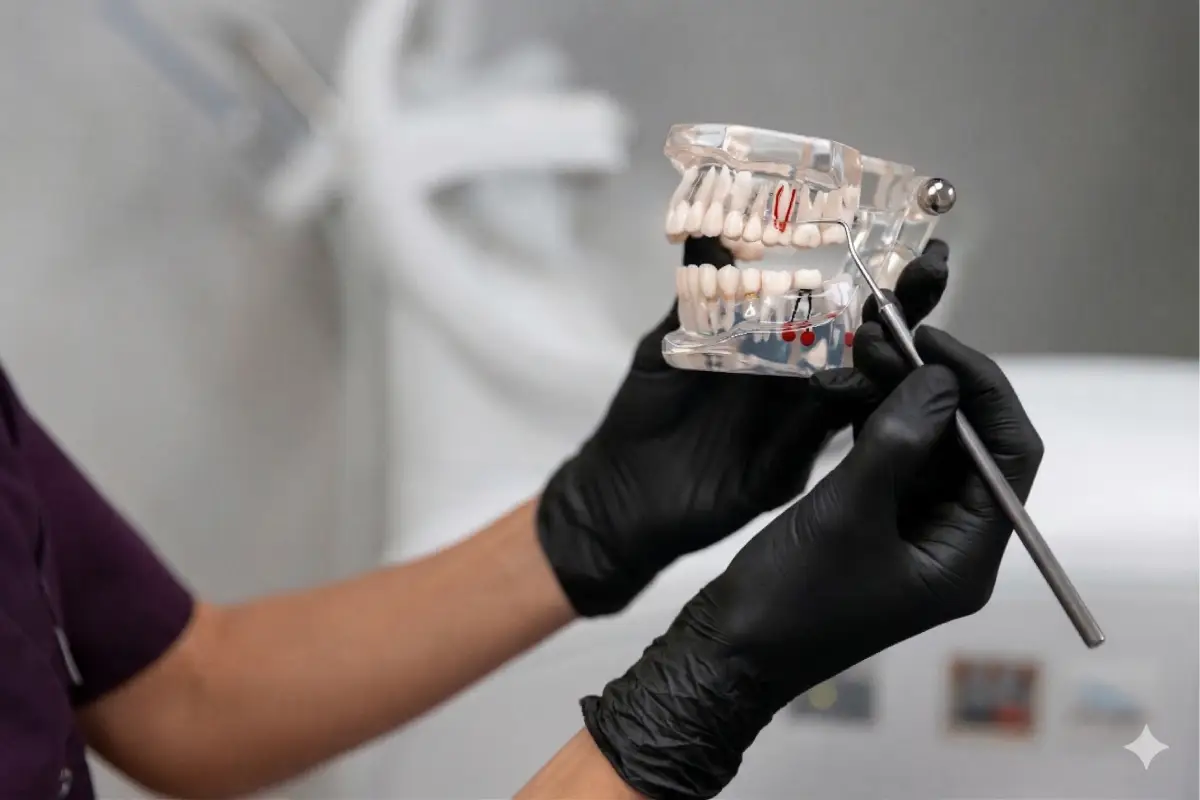
Orthodontic care is a branch of dentistry focused on correcting misaligned teeth and jaws. It uses appliances like braces and clear aligners to gently move your teeth into their ideal positions over time.
But orthodontic care is about much more than straight teeth. When your teeth and jaw line up correctly, everything works better — chewing, speaking, brushing, and even breathing. According to the American Dental Association (ADA), properly aligned teeth are easier to clean, which lowers your risk of cavities, gum disease, and jaw problems down the road.
Signs You May Need Orthodontic Care
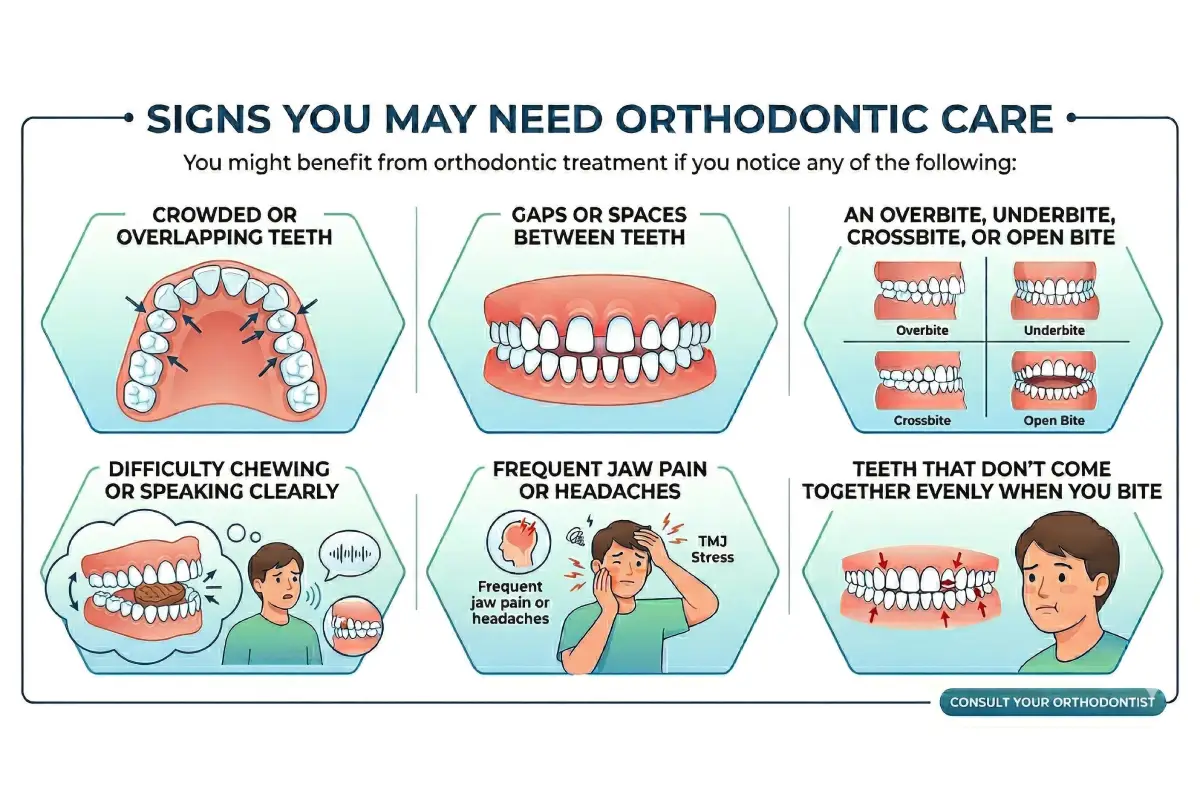
You might benefit from orthodontic treatment if you notice any of the following:
- Crowded or overlapping teeth
- Gaps or spaces between teeth
- An overbite, underbite, crossbite, or open bite
- Difficulty chewing or speaking clearly
- Frequent jaw pain or headaches
- Teeth that don’t come together evenly when you bite
The ADA recommends that every child have an orthodontic evaluation by age 7. Catching problems early often means simpler, shorter treatment later. But don’t worry if you’re an adult — orthodontic care works just as well for grown-ups, and more adults are starting treatment today than ever before.
Traditional Braces vs. Clear Aligners: Which Is Right for You?
When most people think of orthodontic care, they think of metal braces. But today’s patients have choices. At Alta Loma Dental Care, Dr. Sid Lee will help you choose between two modern, effective options: traditional braces or clear aligners.
How Traditional Braces Work
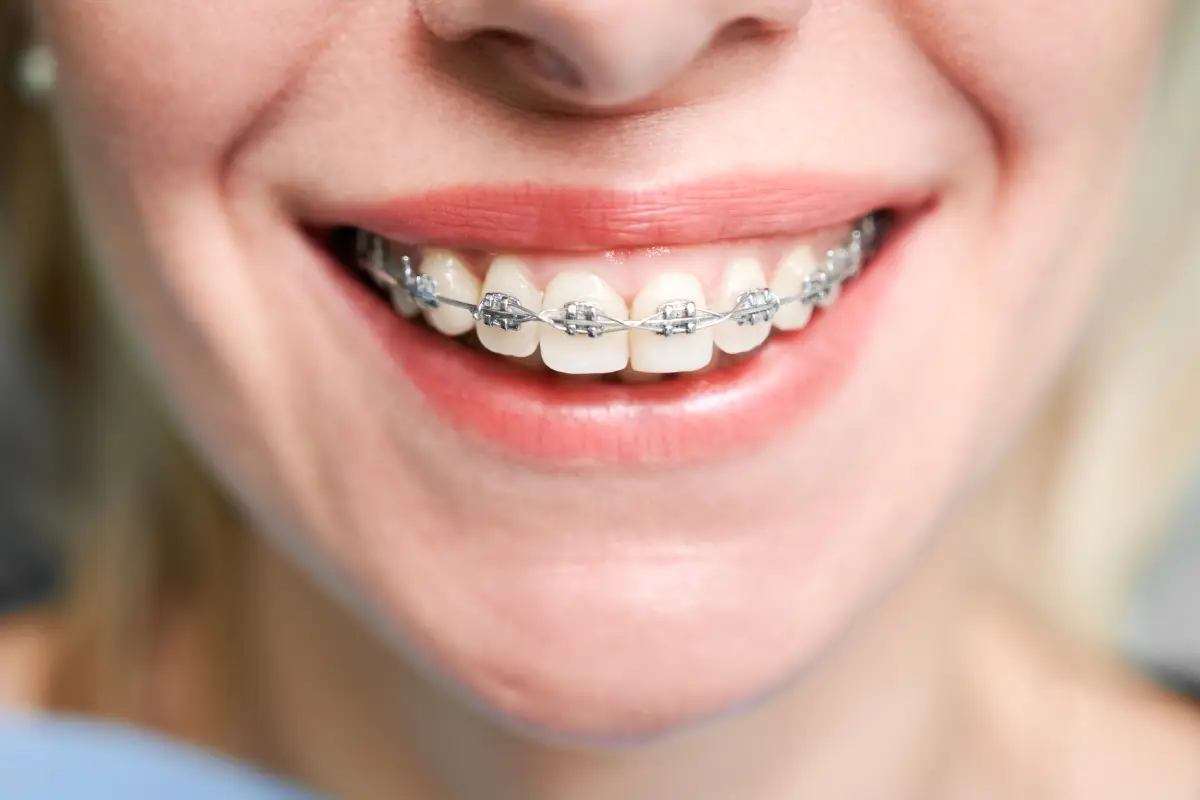
Modern metal braces are much smaller and more comfortable than the ones you may remember from years ago. Here’s how they work:
- Small brackets are bonded to the front of each tooth.
- A thin metal wire connects the brackets.
- Every 4–8 weeks, we gently adjust the wire at our Rancho Cucamonga office to guide your teeth into place.
Traditional braces are the gold standard for more complex orthodontic cases. The Cleveland Clinic notes that braces remain the top choice for severe crowding, large gaps, and bite issues that need strong, steady correction over time.
Braces work best for:
- Severe or complex misalignment
- Significant bite problems (overbite, underbite, crossbite)
- Cases where precise control is needed
- Younger patients still in active jaw development
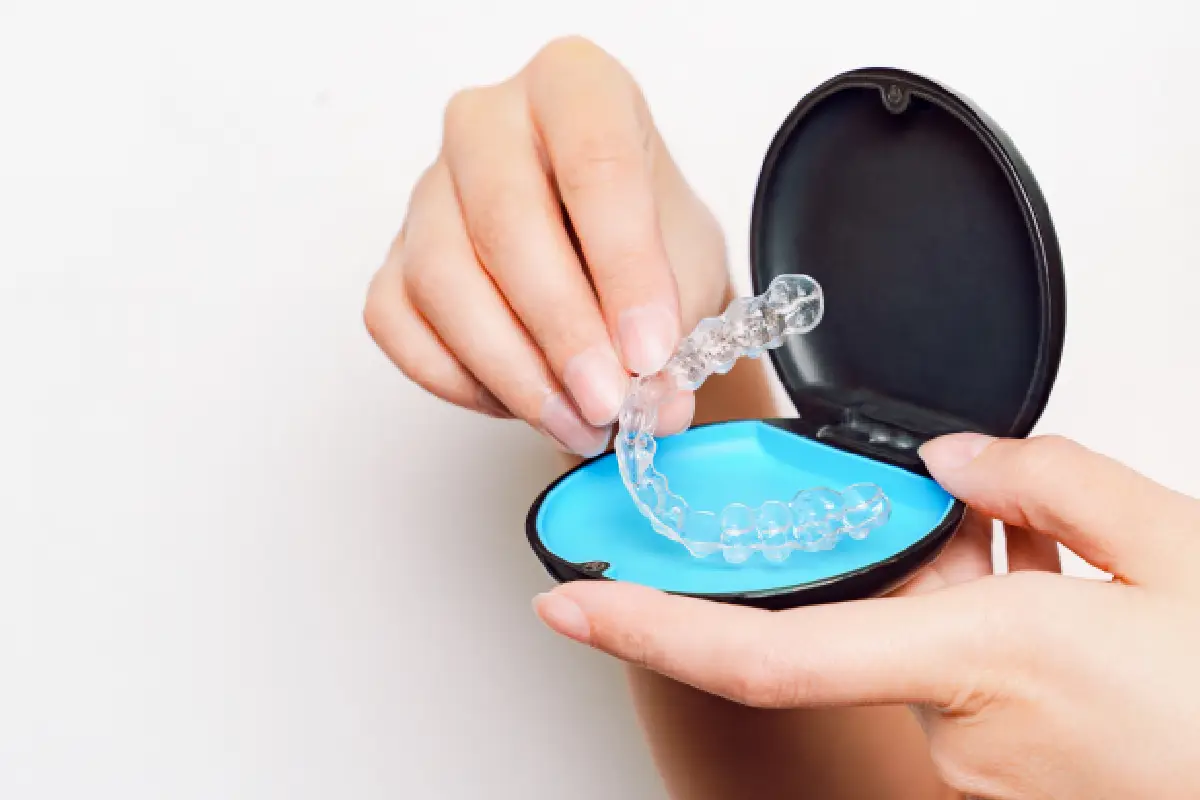
How Clear Aligners (Invisalign®) Work
Clear aligners are custom-made, smooth plastic trays that fit snugly over your teeth. They are nearly invisible — most people won’t even notice you’re wearing them.
Here’s the process:
- We take digital scans of your mouth.
- A series of custom trays is made just for you.
- You wear each set of trays for 1–2 weeks, then switch to the next set.
- Your teeth gradually move into alignment.
The ADA confirms that clear aligners work well for mild to moderate crowding, spacing, and many bite issues — especially when patients wear them as directed.
Clear aligners work best for:
- Mild to moderate alignment issues
- Adults and teens who want a discreet option
- Patients who need to remove their appliance for sports or instruments
- People who want fewer in-office visits
Braces vs. Clear Aligners at a Glance
| Feature | Traditional Braces | Clear Aligners |
|---|---|---|
| Appearance | Visible brackets & wires | Nearly invisible |
| Removable? | No | Yes |
| Best for | Complex cases | Mild to moderate cases |
| Food restrictions | Yes (avoid hard, sticky foods) | None (remove to eat) |
| Cleaning | Requires special tools | Brush and floss normally |
| Office visits | Every 4–8 weeks | Every 6–10 weeks |
| Treatment time | 18–36 months (avg.) | 6–18 months (avg.) |
Not sure which option fits your life? That’s exactly what your free consultation at Alta Loma Dental Care is for. Call us at (909) 987-6268 and we’ll talk through both options with no pressure.
How to Care for Your Braces Every Day
Getting braces is the first step. Taking care of them properly is what makes the treatment work. Good daily care helps your braces do their job faster and keeps your teeth and gums healthy throughout the process.
At Alta Loma Dental Care, every patient goes home with a free care kit and a step-by-step lesson so you always feel confident.
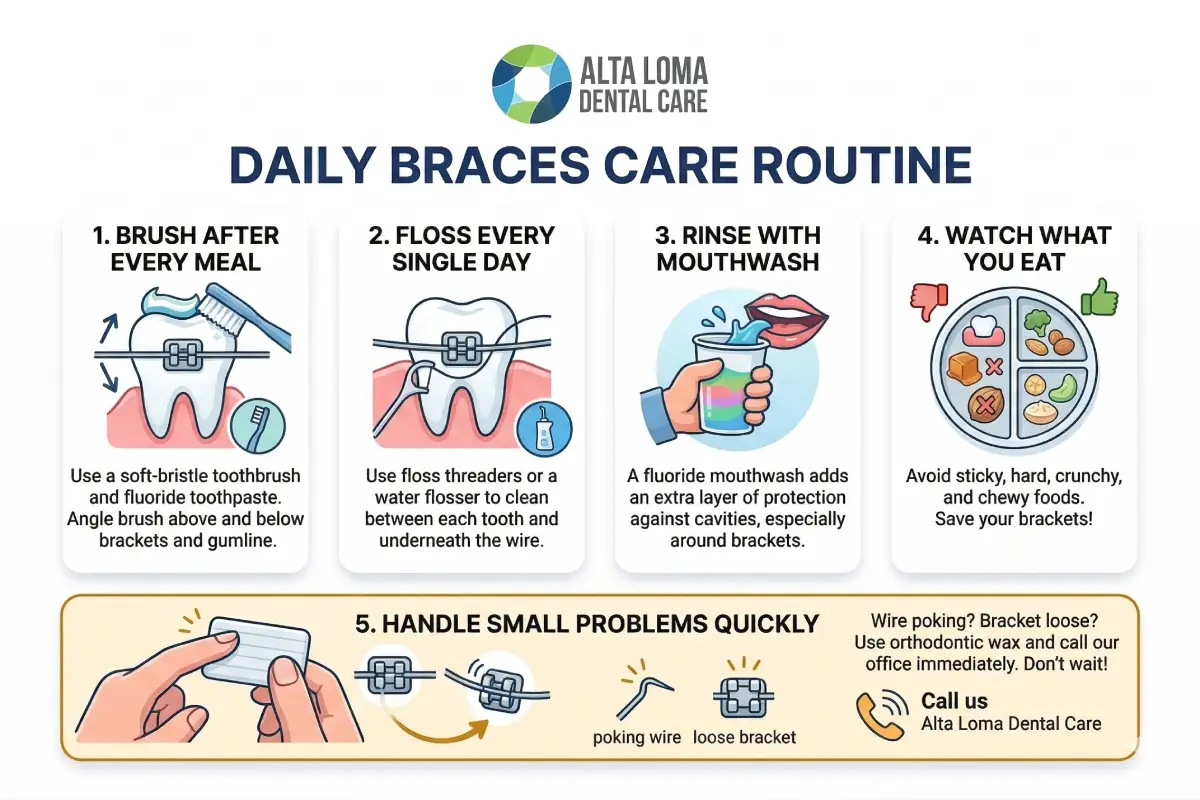
Daily Braces Care Routine
1. Brush after every meal Use a soft-bristle toothbrush and fluoride toothpaste. Angle your brush to clean above and below the brackets, as well as along your gumline. An electric toothbrush can make this easier.
2. Floss every single day Food and plaque love to hide between your teeth and under wires. Use floss threaders or a water flosser to clean between each tooth and underneath the wire. This step is non-negotiable.
3. Rinse with mouthwash A fluoride mouthwash adds an extra layer of protection against cavities, especially in the hard-to-reach areas around brackets.
4. Watch what you eat Certain foods can bend wires or pop brackets off your teeth. Avoid:
- Sticky foods: gum, caramel, taffy
- Hard foods: nuts, hard candy, ice
- Crunchy snacks: popcorn, hard pretzels, raw carrots
- Chewy foods: bagels, tough meats
5. Handle small problems quickly If a wire is poking your cheek or a bracket feels loose, put a small piece of orthodontic wax over the sharp spot and call our office right away. Don’t wait — small problems get bigger if ignored.
We are always just a phone call away at (909) 987-6268.
How to Care for Your Clear Aligners Every Day
Clear aligners are comfortable and convenient, but they only work if you wear them correctly. Follow this simple daily routine to stay on track.
Wear Them Almost All the Time
The #1 rule of clear aligner success: wear them for 20–22 hours every day. This follows the guidelines from the ADA and aligner manufacturers.
Take them out only to:
- Eat or drink (except plain water)
- Brush and floss your teeth
- Clean the aligners themselves
The more consistently you wear your aligners, the faster and more effective your treatment will be. Skipping wear time means your teeth won’t progress to the next tray on schedule — and your treatment takes longer.
Keep Your Aligners Clean
Clean aligners every time you take them out:
- Rinse with cool water immediately after removing.
- Gently brush with a soft toothbrush and cool water. Never use hot water — it can warp the plastic and ruin the fit.
- Soak daily in a retainer cleaning tablet or mild denture cleaner.
- Skip regular toothpaste — it’s abrasive and will scratch your aligners, making them look cloudy.
Switching to a New Tray
Change to your next tray on the schedule Dr. Lee gives you — usually every 1–2 weeks. If you have attachments (small tooth-colored dots bonded to certain teeth to help with movement), make sure the tray snaps on fully over each one.
Eating, Drinking, and Storing
- Always remove aligners before eating or drinking anything other than water.
- Store them in their case — not wrapped in a napkin (they end up in the trash way too often!).
- Rinse your mouth before putting them back in after meals.
Lost or Broken Tray?
Don’t panic. Call Alta Loma Dental Care right away at (909) 987-6268. We’ll advise you on whether to go back to your previous tray or move forward, depending on where you are in treatment.
Your Orthodontic Treatment Journey at Alta Loma Dental Care
Starting orthodontic care can feel like a big step, but we make it simple and stress-free. Here’s exactly what to expect from start to finish.
Step 1: Your Free Consultation
Your journey begins with a free consultation at our Rancho Cucamonga office. During this visit, Dr. Sid Lee will:
- Examine your teeth and jaw alignment
- Take digital X-rays and scans if needed
- Review your options (braces vs. clear aligners)
- Discuss your goals, timeline, and budget
- Answer every question you have
There is no pressure and no commitment at this stage. It’s simply a conversation about what’s possible for your smile. Book your free consultation here.
Step 2: Starting Treatment
Once you choose your treatment, we’ll schedule your first appointment. For braces, this means placing your brackets and wire. For clear aligners, we’ll take scans and order your custom trays. We walk you through everything so there are no surprises.
Step 3: Regular Check-Ups
Orthodontic care requires consistent monitoring to make sure your teeth are moving as planned. At Alta Loma Dental Care, we schedule:
- Braces patients: every 4–8 weeks for wire adjustments
- Aligner patients: every 6–10 weeks to check progress and provide new trays
These appointments are quick, easy, and essential. Don’t skip them — they are how we catch any issues early and keep your treatment on schedule.
Step 4: Managing Soreness
It’s completely normal to feel some tenderness after getting braces or switching to a new aligner tray. Your teeth are moving — that’s the treatment working.
Here’s how to manage it comfortably:
- Over-the-counter pain relievers like ibuprofen or acetaminophen (follow package directions)
- Cold foods like yogurt, smoothies, or cold water can soothe sore gums
- Soft foods for the first 1–2 days after adjustments: soup, mashed potatoes, scrambled eggs, pasta
- Orthodontic wax for any brackets or wires that irritate your cheeks or lips
Soreness usually fades within 2–3 days. If discomfort is severe or doesn’t go away, call us at (909) 987-6268.
Step 5: Transitioning to Retainers
Finishing orthodontic treatment is a huge milestone — but it’s not quite the last step. After your braces come off or you complete your last aligner tray, you’ll need to wear a retainer.
Retainers hold your teeth in their new, correct positions while the bone and tissue around them stabilize. Without a retainer, teeth naturally shift back over time — a process called relapse.
At Alta Loma Dental Care, we provide custom retainers and a clear wear schedule. Most patients wear retainers full-time at first, then switch to nights-only wear. Your retainer is a long-term investment in protecting the smile you worked so hard to achieve.
The Real Benefits of Orthodontic Care
Investing in orthodontic treatment does more than make your teeth look straight. The benefits reach into every area of your health and daily life.
Better Oral Health
Straight teeth are dramatically easier to brush and floss. Crowded teeth create tight spaces where plaque hides — leading to cavities and gum disease. Orthodontic care removes those hiding spots, making your entire oral health routine more effective.
Improved Bite Function
A misaligned bite puts uneven stress on your teeth, jaw joints, and muscles. Over time, this can lead to worn enamel, cracked teeth, jaw pain (TMJ), and chronic headaches. Correcting your bite through orthodontic care helps your whole system work the way it was designed to.
Greater Confidence
Study after study confirms what patients already know: a straighter smile boosts self-confidence in social situations, professional settings, and everyday interactions. Many patients at Alta Loma Dental Care say that completing orthodontic treatment is one of the best decisions they’ve ever made.
Long-Term Cost Savings
Untreated alignment issues often lead to bigger, more expensive dental problems later — like worn-down teeth needing crowns, or jaw issues requiring specialist treatment. Addressing the root cause early with orthodontic care is a smart long-term investment.
Ready to Start Your Orthodontic Journey?
Your smile is one of the first things people notice — and more importantly, it affects your daily comfort, your confidence, and your long-term health. Orthodontic care is not a luxury. It’s a meaningful investment in yourself.
At Alta Loma Dental Care, Dr. Sid Lee and our team are here to guide you through every step — from your very first question to the moment your retainer goes in. We serve patients from Rancho Cucamonga, Alta Loma, Etiwanda, and the surrounding communities with care that is honest, personalized, and designed around your life.
Your free consultation is waiting. There’s no commitment — just a conversation about your smile and your options.
This guide is intended for educational purposes and general patient information. For personalized advice about your orthodontic care, please schedule a consultation with Dr. Sid Lee at Alta Loma Dental Care.